

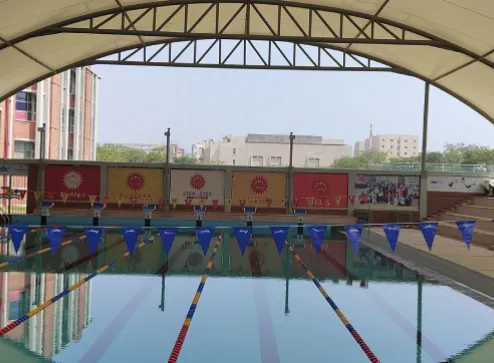
When planning outdoor structures such as parking areas, walkways, or entrance sheds, choosing the right type of roofing is very important. Traditionally, materials like concrete, metal sheets, and polycarbonate have been used for roofing. However, in recent years, tensile structures have become a modern and efficient alternative.
Understanding the differences between tensile structures and traditional roofing can help you make the right decision for your space.
Design and Appearance
Traditional roofing systems usually have simple and rigid designs. While they are functional, they often lack the modern aesthetic appeal that many commercial and residential projects require today.
Tensile structures, on the other hand, offer unique shapes and elegant curves that enhance the architectural beauty of any space. Their modern design makes them a popular choice for contemporary buildings.
Weight and Structural Load
Traditional roofs made from concrete or heavy materials require strong support structures and larger foundations. This increases both the construction time and cost.
Tensile structures are lightweight and require less steel support and foundation work. This reduces structural load while maintaining strength and durability.
Installation Time
Traditional roofing systems often take longer to construct because most of the work is done on-site.
Tensile structures are faster to install since much of the fabrication is completed in factories. This allows quicker project completion and reduced construction time.
Natural Light
Most traditional roofing materials block natural sunlight completely, which increases the need for artificial lighting during the day.
Tensile fabrics are translucent, allowing natural light to pass through. This creates brighter spaces and can help reduce daytime lighting requirements.
Maintenance
Traditional roofs may require regular maintenance due to rust, water leakage, or material deterioration over time.
High-quality tensile fabrics are designed to resist dust accumulation and weather damage. They are easy to clean and generally require minimal maintenance.
Conclusion
Both traditional roofing and tensile structures have their uses, but tensile structures offer several modern advantages such as attractive design, lightweight construction, faster installation, and low maintenance.
For parking sheds, walkways, entrance canopies, and outdoor spaces, tensile structures provide a practical and visually appealing solution that meets modern architectural needs.